Hot Tub Electrical Wiring in Dracut, MA: Why Proper GFCI Protection, Disconnects and Outdoor Conduit Matter
A backyard hot tub can be a great addition to a Massachusetts home, but electrically, a spa is very different from most appliances.
Hot tubs combine water, people, pumps, heaters and high-amperage electrical equipment in the same environment. That makes proper wiring, grounding, bonding, overcurrent protection and ground-fault protection especially important. Even an installation that appears to work normally can present serious hazards if its electrical system wasn't installed correctly.
A recent electrical project completed by Denommee Plumbing, HVAC & Electric in Dracut, Massachusetts provides a useful real-world example.

The project involved a 3,552-square-foot, four-bedroom, 3.5-bath single-family home built in 1988. Rather than installing an entirely new spa electrical system, Denommee's licensed electricians were able to relocate and reuse the home's existing hot tub disconnect, install a new exterior conduit pathway, refeed the spa equipment and reconnect the hot tub to its GFCI-protected circuits.
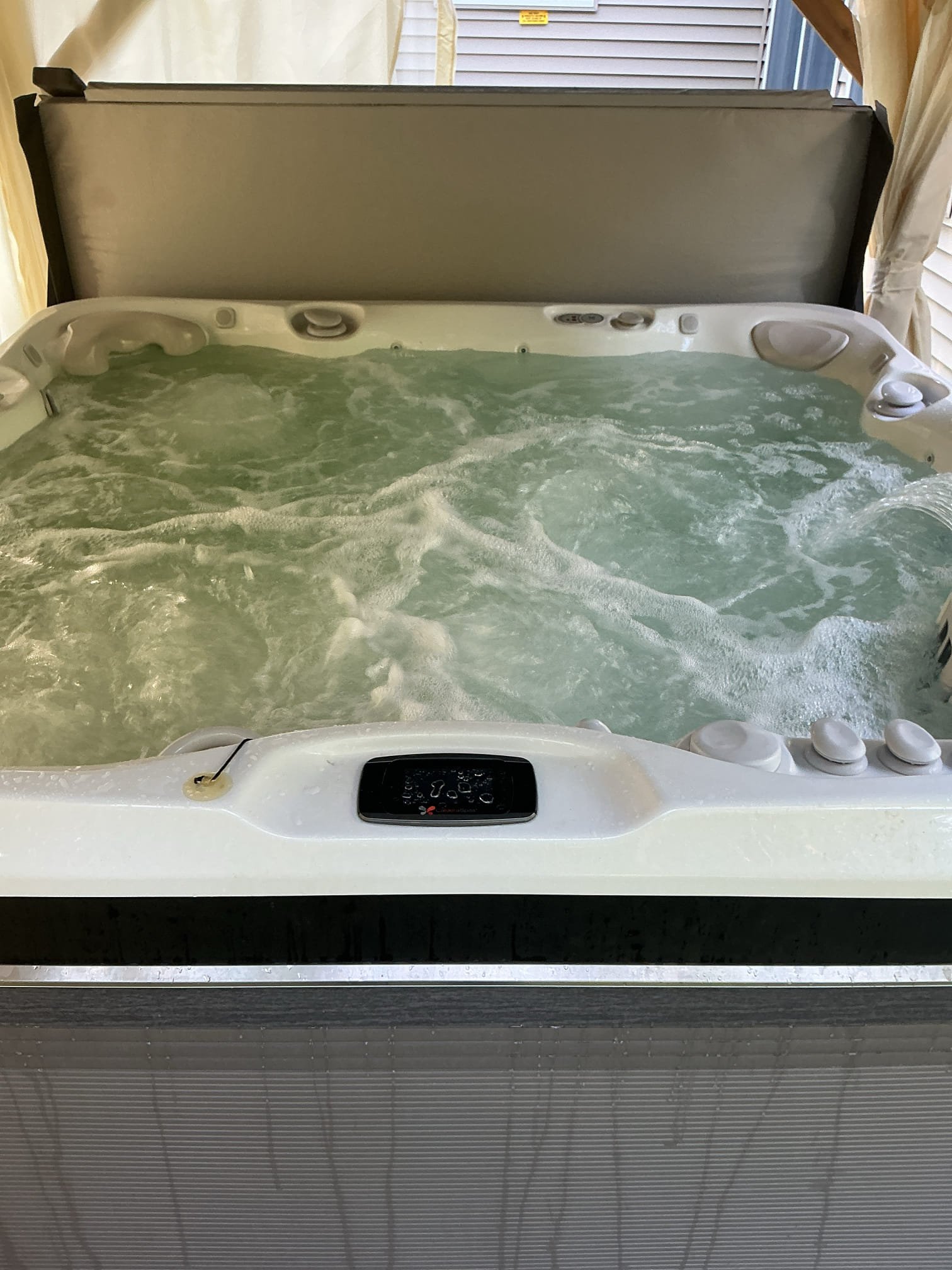
Once the electrical work was completed, our electrician tested the hot tub to verify proper operation.
It's the type of project that illustrates an important point for homeowners:
Hot tub electrical work isn't simply about getting power from the house to the spa. The entire installation needs to provide an appropriately protected electrical pathway between the home's electrical system and equipment being operated around water.
Here's what homeowners in Dracut and surrounding Massachusetts communities should understand about hot tub electrical wiring, GFCI protection, disconnects, outdoor conduit and why this work belongs in the hands of a licensed electrician.
Dracut Hot Tub Electrical Project: At a Glance
Location: Dracut, Massachusetts
Property: 1988 single-family home
Size: 3,552 square feet
Bedrooms: 4
Bathrooms: 3.5
Contractor: Denommee Plumbing, HVAC & Electric
Trade: Licensed electrical service
Denommee's Scope of Work
For this project, our electrical team:
- Relocated and reused the existing hot tub disconnect
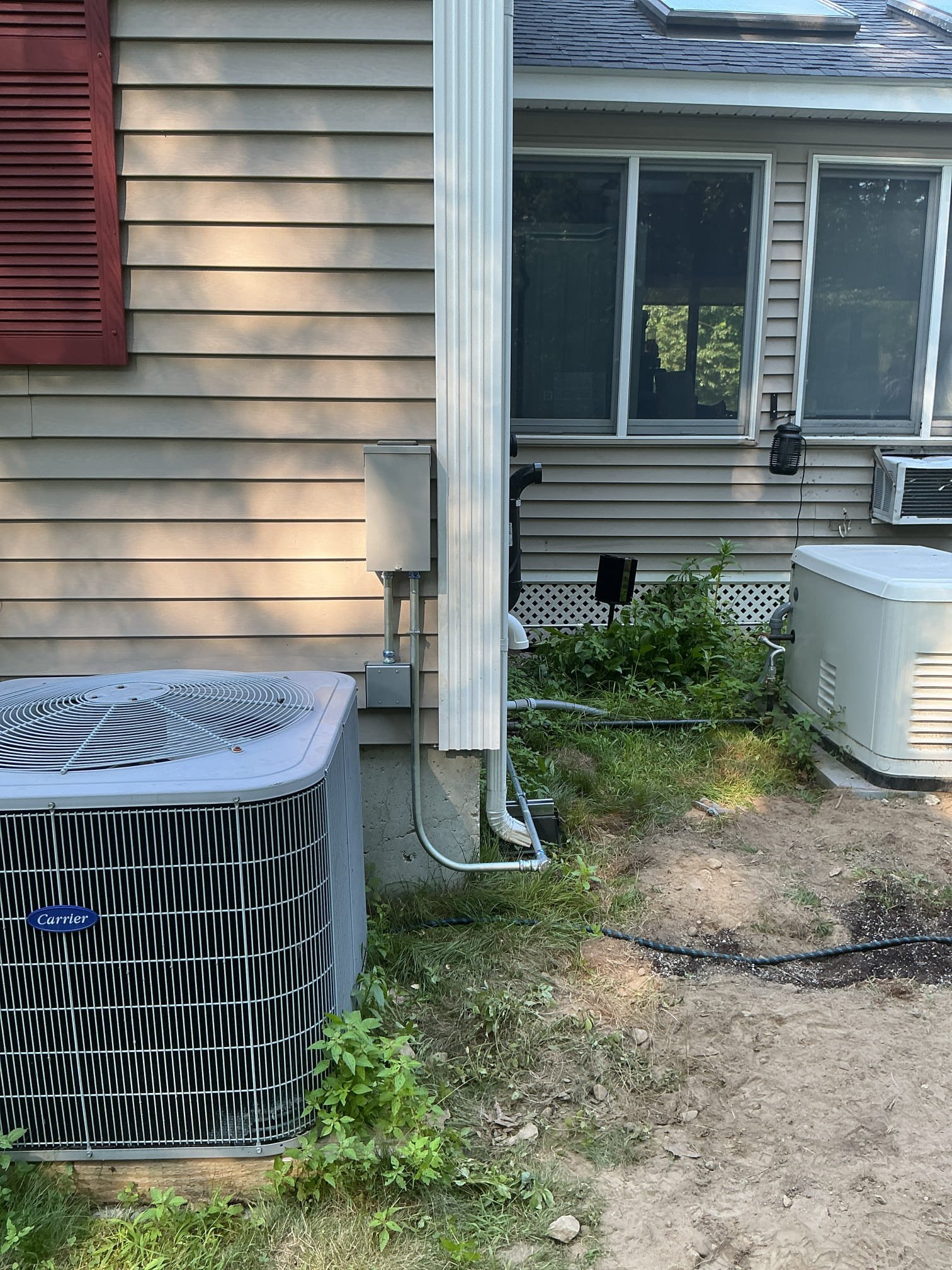
- Moved the disconnect to the side of the house near the existing outdoor HVAC equipment
- Supplied and installed raised supporting blocks for the exterior raceway
- Surface-mounted approximately 30 feet of 3/4-inch EMT conduit
- Used fittings appropriate for the exterior installation
- Extended the electrical pathway from the relocated disconnect to the existing hot tub
- Re-fed the hot tub pumps and heater
- Terminated the new circuits at the appropriate GFCI breakers within the disconnect panel
- Rewired the hot tub equipment
- Tested the spa following completion to verify proper operation
The accompanying project photographs and video show both sides of the job: the new exterior electrical pathway at the home and Denommee's electrician working directly within the hot tub's equipment compartment to complete and verify the final connections.
Why Hot Tub Electrical Wiring Requires Special Attention
Electricity and water require an entirely different level of electrical safety planning.
A typical household circuit might power lamps, appliances or receptacles in relatively dry areas. A hot tub electrical system supplies equipment intentionally installed around a large body of water where people are immersed.
The spa may contain several electrically operated components, including:
- Water pumps
- Circulation pumps
- Electric heaters
- Control boards
- Lighting
- Blowers
- Electronic controls
- Auxiliary equipment
These loads can operate simultaneously and may require substantial electrical capacity.
But capacity is only part of the equation.
The installation also has to account for shock protection, grounding and bonding requirements, equipment disconnecting means, conductor sizing, wiring methods and the environmental conditions surrounding the spa.
That's why homeowners should treat hot tub wiring as a specialized electrical project rather than an extension-cord-level DIY task.
What Is a Hot Tub Disconnect?
One of the most visible components in many professionally wired hot tub installations is the spa disconnect panel.
A disconnect provides a means of disconnecting electrical power supplying the hot tub equipment. Depending on the design of the installation, the enclosure may also contain the GFCI circuit protection serving the spa.
The exact placement and configuration are not arbitrary.
Electrical requirements govern where disconnecting means and other electrical equipment can be located relative to pools, spas and hot tubs. Those requirements are intended to make equipment serviceable while helping protect occupants from electrical hazards.
For this Dracut project, Denommee relocated the existing disconnect to the side of the house near the outdoor HVAC equipment and established a new protected wiring pathway from that location to the spa.
Importantly, the existing equipment could be reused.
That reflects another part of our approach to residential electrical work: not every project requires replacing everything that's already there.
When existing equipment remains appropriate for the intended application and can be incorporated into a compliant installation, reuse may provide homeowners with a practical alternative to unnecessary replacement.
Why GFCI Protection Is So Important for Hot Tubs
One of the most important safety devices associated with a hot tub is the ground-fault circuit interrupter, commonly called a GFCI.
Most homeowners recognize GFCIs from bathrooms, kitchens, garages and outdoor receptacles. A GFCI monitors electrical current and is designed to interrupt a circuit when it detects current taking an unintended path that could indicate a ground fault.
Around a spa, that protection becomes particularly important.
For this project, Denommee's scope specifically included terminating the new circuits at the GFI/GFCI breakers located within the disconnect panel before rewiring the hot tub pumps and heater.
This distinction matters.
A conventional circuit breaker primarily protects wiring and equipment against excessive current and short circuits. GFCI protection addresses a different hazard: potentially dangerous current leakage to ground.
Both forms of protection can play essential roles in a properly designed hot tub electrical system.
Why You Should Never Bypass a Hot Tub GFCI That Keeps Tripping
This deserves special attention because it can become a genuine safety issue.
If a hot tub GFCI repeatedly trips, homeowners should not bypass the GFCI, substitute inappropriate protection or repeatedly reset it without investigating why it is opening the circuit.
A tripping GFCI may indicate an electrical fault.
Possible causes can include problems involving:
- Spa heaters
- Pumps
- Motors
- Wiring
- Moisture intrusion
- Damaged insulation
- Controls
- Electrical connections
- The GFCI device itself
The correct response is to determine why the protection is operating.
Because hot tubs combine electrical equipment with direct human contact with water, defeating a protective device to keep the spa running can create a potentially dangerous condition.
A licensed electrician or appropriately qualified service professional should diagnose the problem.
Why Denommee Used EMT Conduit for This Dracut Installation
The photographs show a substantial portion of this project's new electrical infrastructure running along the home's exterior.
Denommee installed approximately 30 feet of 3/4-inch electrical metallic tubing (EMT) to establish the new route between the relocated disconnect and the hot tub.
EMT is a metal raceway commonly used to protect and route electrical conductors.
For this project, our electricians surface-mounted the conduit using raised supporting blocks and appropriate exterior fittings rather than simply allowing the raceway to rest against the ground or route loosely across the property.
The result is a deliberate, mechanically supported electrical pathway along the exterior of the home.
Why Does Conduit Installation Quality Matter?
Outdoor wiring is exposed to conditions that interior electrical systems don't encounter to the same degree:
- Rain
- Snow
- Ice
- Freeze/thaw cycles
- Moisture
- Landscaping
- Lawn equipment
- Physical impacts
- Temperature fluctuations
How a raceway is routed, supported and terminated therefore matters.
A professional exterior electrical installation should be planned not only around electrical performance but also around mechanical protection, weather exposure, accessibility and long-term durability.
The video from this project shows our electrician working with the EMT directly at the house, while the completed photograph shows the raceway neatly routed from the relocated electrical equipment toward the spa.
Why Outdoor Electrical Fittings Need to Match the Environment
One easily overlooked aspect of exterior electrical work is the transition between conduit, boxes, disconnects and other enclosures.
Those connection points matter because exterior electrical equipment is exposed to moisture.
Denommee's scope therefore specified weathertight fittings as part of the new conduit installation.
Simply installing metal conduit doesn't automatically make an outdoor electrical system appropriate for its environment. Enclosures, fittings, conductors and wiring methods have to be selected and installed based on where and how they're being used.
This is one reason seemingly simple outdoor electrical projects can become more complicated than homeowners initially expect.
Rewiring the Hot Tub Pumps and Heater
Running conduit to the spa was only part of this project.
At the hot tub itself, Denommee's electrician had to reconnect the electrical components served by the relocated disconnect.
The project video provides a particularly useful view of this work. It shows the hot tub's equipment compartment opened while our electrician works directly at the spa's electrical and control equipment.
Modern hot tubs can contain a surprisingly complex collection of electrical and mechanical components within a relatively small equipment compartment.
Depending on the spa, that can include:
- Main control board
- Heater assembly
- Pumps
- Circulation equipment
- Sensors
- Control wiring
- Line-voltage wiring
- Grounding connections
- Equipment terminals
This is another reason hot tub electrical work isn't comparable to installing an ordinary household receptacle.
Connections need to correspond with the spa manufacturer's electrical requirements as well as applicable electrical codes.
Testing the Hot Tub After Electrical Work Is Essential
A professional electrical project shouldn't end when the final wire is connected.
Denommee's scope for this Dracut project specifically included:
Test the hot tub upon completion to verify proper operation.
That's important.
After circuits are terminated and equipment is rewired, the electrician needs to establish that the completed installation operates as intended.
In this case, the project photography shows the hot tub filled and actively circulating water through its jets following the electrical work.
That provides a useful final visual for the project because it shows the purpose behind all the conduit, fittings, breakers and wiring:
a properly operating hot tub returned to service after completion of the electrical work.
Can an Existing Hot Tub Disconnect Be Relocated?
Potentially, yes—as this Dracut project demonstrates.
But whether an existing disconnect can be reused depends on the individual installation.
A licensed electrician needs to consider factors such as:
- Condition of the existing equipment
- Electrical ratings
- Circuit requirements
- Hot tub manufacturer requirements
- GFCI protection
- Existing conductors
- New conductor lengths
- Disconnect location
- Raceway requirements
- Grounding and bonding
- Applicable electrical codes
In this case, Denommee determined that the existing disconnect could be relocated and reused as part of the new installation.
That allowed the project to accomplish the homeowner's objective without unnecessarily replacing serviceable equipment.
Hot Tub Wiring Is Not the Same as Hot Tub Bonding
Homeowners researching spa electrical work will frequently encounter the terms grounding and bonding.
They aren't interchangeable.
Grounding provides an intentional electrical path associated with the electrical system and equipment grounding requirements.
Bonding, in the context of pools and spas, addresses electrical potential differences among conductive components in and around the installation.
The specific requirements depend on the spa, installation method and surrounding conditions.
This is precisely the kind of subject where generic internet advice can become dangerous. A photograph or online diagram cannot tell a homeowner everything necessary to determine the electrical requirements for a particular property.
A licensed electrician should evaluate the actual installation.
Why Older Massachusetts Homes Often Need Electrical Modifications for Modern Outdoor Equipment
This Dracut house was built in 1988.
Homes of this era can be excellent properties, but residential electrical demand has changed substantially since the late 1980s.
Today's homeowners may be adding:
- Hot tubs and spas
- Central air conditioning
- Heat pumps
- Ductless mini splits
- EV chargers
- Standby generators
- Heat pump water heaters
- Induction ranges
- Home battery storage
- Outdoor kitchens
- Pools
- Workshops
That can place new demands on electrical systems designed decades earlier.
The project photograph makes this evolution particularly visible. Adjacent to the new electrical work is an existing Carrier outdoor air-conditioning condenser, while other outdoor equipment is also present nearby.
It is a good visual reminder that a home's electrical infrastructure increasingly supports multiple major mechanical systems.
Before adding another substantial electrical load, an electrician may need to evaluate the existing electrical service, panel capacity, breakers, wiring and available load.
The Denommee Multi-Trade Advantage
Outdoor home projects frequently cross traditional trade boundaries.
A homeowner might initially call about a hot tub and subsequently discover questions involving the electrical panel. Another project may involve an air conditioner, heat pump, generator, plumbing connection or water heater.
Denommee Plumbing, HVAC & Electric provides licensed electrical, HVAC and plumbing services under one locally owned company.
That means homeowners have one trusted resource for projects involving:
Electrical
- Hot tub and spa wiring
- Electrical panels
- Service upgrades
- EV chargers
- Standby generators
- Dedicated circuits
- Outdoor electrical equipment
- Lighting
- Troubleshooting and repairs
HVAC
- Central air conditioning
- Furnaces
- Boilers
- Heat pumps
- Ductless mini splits
- Mitsubishi Hyper-Heat systems
- Indoor air quality
- HVAC repair and maintenance
Plumbing
- Water heaters
- Heat pump water heaters
- Tankless water heaters
- Plumbing repairs
- Fixtures
- Pumps
- Water piping
- Drain and waste systems
For homeowners, that can mean fewer contractors to coordinate and a team capable of looking at the home as an interconnected mechanical and electrical system rather than a collection of unrelated components.
Why Permits and Electrical Inspections Matter
Electrical work isn't an area where shortcuts benefit homeowners.
When permits and inspections are required for a project, Denommee believes in doing the work properly: pulling the appropriate permits and standing the required inspections.
That process provides another layer of accountability.
Properly permitted electrical work can also become important later when:
- Selling the home
- Completing future renovations
- Filing certain insurance claims
- Adding additional electrical loads
- Upgrading the electrical service
For something as safety-sensitive as a hot tub, homeowners should be particularly cautious about contractors offering to avoid permits simply to reduce cost or finish faster.
The objective shouldn't merely be to make the hot tub turn on.
It should be to provide an installation the homeowner can have confidence in.
Frequently Asked Questions About Hot Tub Electrical Wiring
Does a hot tub need a dedicated electrical circuit?
Most permanently installed electric hot tubs have specific dedicated electrical supply requirements established by the manufacturer and applicable electrical codes. The exact voltage, amperage, conductor and protection requirements depend on the particular spa.
Does a hot tub need GFCI protection?
Hot tubs and spas are subject to important ground-fault protection requirements because electrical equipment is being used around water. The precise configuration should be determined from the equipment requirements and applicable electrical code.
Can I wire a hot tub myself?
Hot tub wiring involves potentially lethal electrical hazards in an environment where people are immersed in water. This is a project best handled by a qualified licensed electrician familiar with pool and spa electrical requirements.
Why does my hot tub GFCI breaker keep tripping?
Repeated GFCI trips can indicate a fault involving the heater, pump, wiring, controls, moisture or another electrical component. Don't bypass the protective device. Have the cause professionally diagnosed.
Can an electrician relocate an existing hot tub disconnect?
Yes, when the existing equipment is suitable for reuse and the new installation can satisfy applicable electrical and manufacturer requirements. Denommee relocated and reused the existing disconnect during this Dracut project.
How far can a hot tub be from its electrical panel?
There isn't one useful universal answer. Circuit design depends on equipment requirements, conductor sizing, routing, voltage drop considerations and code requirements. An electrician should design the circuit for the specific property and spa.
Can hot tub electrical conduit run outside?
Yes, but exterior raceways and conductors must use wiring methods and components suitable for the installation and environmental conditions. This Dracut project incorporated approximately 30 feet of exterior 3/4-inch EMT with appropriate fittings and mechanical support.
Do I need an electrical service upgrade before installing a hot tub?
Not necessarily. An electrician should evaluate the home's existing service and electrical loads to determine whether sufficient capacity is available. Some homes can accommodate the additional load without a service upgrade; others may require modifications.
Should I have the electrical system inspected before buying a used hot tub?
It's wise to have both the spa and the proposed electrical supply evaluated before installation. Electrical requirements vary significantly between hot tub models, and an existing circuit shouldn't be assumed compatible simply because another spa was previously connected to it.
Need a Licensed Electrician for Hot Tub Wiring in Dracut, MA?
Whether you're installing a new hot tub, relocating an existing spa, replacing a disconnect, troubleshooting a GFCI that keeps tripping or trying to determine whether your home's electrical service can support new outdoor equipment, start with a professional evaluation rather than assumptions.
This recent Dracut project is a good example of Denommee's approach.
The homeowner didn't need an indiscriminate replacement of every existing electrical component. Our team developed a scope that allowed the existing disconnect to be relocated and reused, installed approximately 30 feet of new supported exterior EMT conduit with weather-appropriate fittings, re-fed the pumps and heater, terminated the circuits through the existing GFCI protection, rewired the spa and then tested the completed system to verify operation.
That combination of problem solving, licensed electrical expertise and attention to the finished installation is what Denommee brings to electrical projects throughout our service area.
Denommee Plumbing, HVAC & Electric is a locally owned, multi-generational home service company, not a distant private-equity HVAC roll-up. Our reputation is tied directly to the communities we serve and to the work our licensed professionals perform in customers' homes every day.
We provide upfront flat-rate pricing, convenient online scheduling and Text-to-Book options, along with plumbing, HVAC and electrical expertise under one roof.
If you're planning a hot tub installation or need electrical service in Dracut, Lowell, Tyngsborough, Chelmsford, Tewksbury, Billerica, Westford or surrounding Massachusetts and southern New Hampshire communities, contact Denommee to schedule service with one of our licensed electricians.
Safe outdoor electrical work starts with getting the details right—and that's especially important when electricity and water meet.


