How Much Does a Gas Furnace Cost in Massachusetts? (2026 Homeowner's Guide)
As temperatures begin to drop across Massachusetts, homeowners start thinking about one important question: Is my furnace ready for another New England winter? If your current heating system is aging, unreliable, or driving up your utility bills, replacing it with a new gas furnace may be the smartest investment you can make.
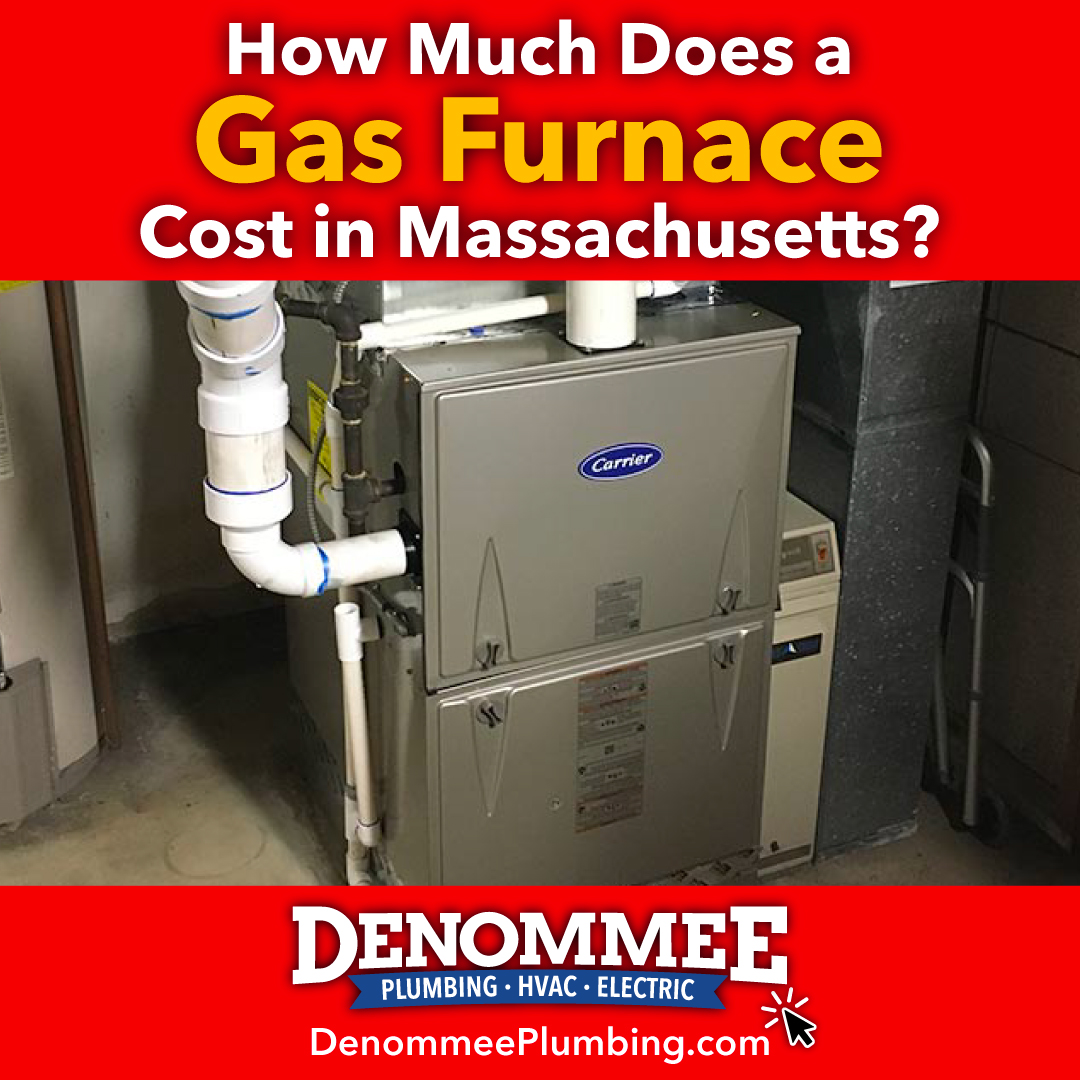
One of the first questions we hear is:
"How much does a gas furnace cost in Massachusetts?"
The answer depends on several factors, including the size of your home, the efficiency of the equipment, and whether any additional work is needed during installation. In this guide, we'll break down average furnace costs, what affects pricing, and whether replacing your furnace is the right choice.
Average Gas Furnace Cost in Massachusetts
Most homeowners in Massachusetts can expect to pay:
| Furnace Type | Typical Installed Cost |
|---|---|
| Basic Single-Stage Gas Furnace | $5,000–$7,000 |
| Two-Stage Gas Furnace | $6,500–$9,000 |
| Variable-Speed High-Efficiency Furnace | $8,000–$12,000+ |
These estimates include:
- New furnace equipment
- Professional installation
- Removal of your old furnace
- Startup and system testing
- Basic materials and connections
Homes requiring ductwork modifications, venting updates, gas line changes, or electrical upgrades may have higher installation costs.
What Impacts the Cost of a New Furnace?
Every home is different, which means every furnace installation is unique.
Here are the biggest factors that influence pricing.
1. Furnace Size
Furnaces are measured in BTUs (British Thermal Units).
Installing a furnace that's too small won't adequately heat your home. Installing one that's too large can cause short cycling, uneven temperatures, and unnecessary wear.
A professional load calculation ensures your home receives the correctly sized system.
2. Efficiency Rating (AFUE)
Gas furnaces are rated by Annual Fuel Utilization Efficiency (AFUE).
Examples include:
- 80% AFUE
- 92% AFUE
- 95% AFUE
- 97%+ AFUE
Higher-efficiency furnaces cost more upfront but use less natural gas throughout the winter, lowering your heating bills over time.
3. Installation Complexity
Some furnace replacements are straightforward.
Others require additional work such as:
- New vent piping
- Chimney liner modifications
- Gas piping upgrades
- Electrical improvements
- Condensate drain installation
- Thermostat replacement
These upgrades can affect your total project cost.
4. Existing Ductwork
If your ductwork is damaged, undersized, or leaking conditioned air, repairs may be recommended before installing a new furnace.
Proper airflow helps your new furnace operate efficiently and comfortably.
5. Smart Thermostats
Many homeowners choose to install a smart thermostat during furnace replacement.
Benefits include:
- Lower energy costs
- Better scheduling
- Remote temperature control
- Improved comfort
- Energy usage monitoring
Is It Worth Repairing an Older Furnace?
If your furnace is over 15–20 years old, replacement is often the better long-term investment.
Consider replacing your furnace if:
- Repairs are becoming frequent
- Heating bills continue increasing
- Your home has uneven temperatures
- The heat exchanger is cracked
- Parts are becoming difficult to find
- The system struggles to keep up during cold weather
While repairs may seem less expensive initially, multiple service calls can quickly exceed the value of investing in a newer, more efficient system.
Benefits of Installing a New Gas Furnace
Today's furnaces are significantly more efficient than older models.
Benefits include:
- Lower monthly heating costs
- More consistent indoor temperatures
- Quieter operation
- Improved airflow
- Better humidity control
- Increased home value
- Enhanced reliability during Massachusetts winters
Many high-efficiency systems also pair well with smart thermostats and indoor air quality accessories.
How Long Does a Gas Furnace Last?
A professionally installed gas furnace typically lasts:
15–20 years
Annual maintenance is one of the best ways to maximize system lifespan and efficiency.
Routine tune-ups help identify small issues before they become expensive repairs.
Should You Replace Your Furnace Before It Fails?
Waiting until your furnace completely stops working often means replacing it during the coldest part of the year.
Scheduling a replacement before winter offers several advantages:
- Better installation scheduling
- Time to compare equipment options
- Less risk of emergency breakdowns
- Improved comfort before cold weather arrives
Planning ahead also gives homeowners more flexibility when choosing the best system for their home.
Why Professional Installation Matters
Even the highest-quality furnace won't perform properly if it's installed incorrectly.
Professional installation includes:
- Proper equipment sizing
- Safe gas connections
- Correct venting
- Airflow balancing
- Manufacturer warranty protection
- Code-compliant installation
Choosing an experienced HVAC contractor helps ensure your system operates safely and efficiently for years to come.
Get a Free Gas Furnace Estimate in Massachusetts
If your current furnace is nearing the end of its life or your heating bills continue to rise, replacing your system could improve comfort while lowering energy costs.
At Denommee Plumbing, HVAC & Electric, we install high-quality gas furnaces throughout Massachusetts. Our experienced technicians will evaluate your home, recommend the right system, and provide upfront pricing with no surprises.
Whether you're replacing an aging furnace or upgrading to a high-efficiency model, we're here to help you stay warm all winter long.
Contact Denommee Plumbing, HVAC & Electric today for a free estimate on a new gas furnace installation in Massachusetts.


