How Much Does an Electric Panel Upgrade Cost in Massachusetts? (2026 Guide)
If your lights flicker when the air conditioner kicks on, your breakers trip frequently, or you're planning to install a heat pump, EV charger, hot tub, or other high-powered appliance, you may need an electrical panel upgrade.
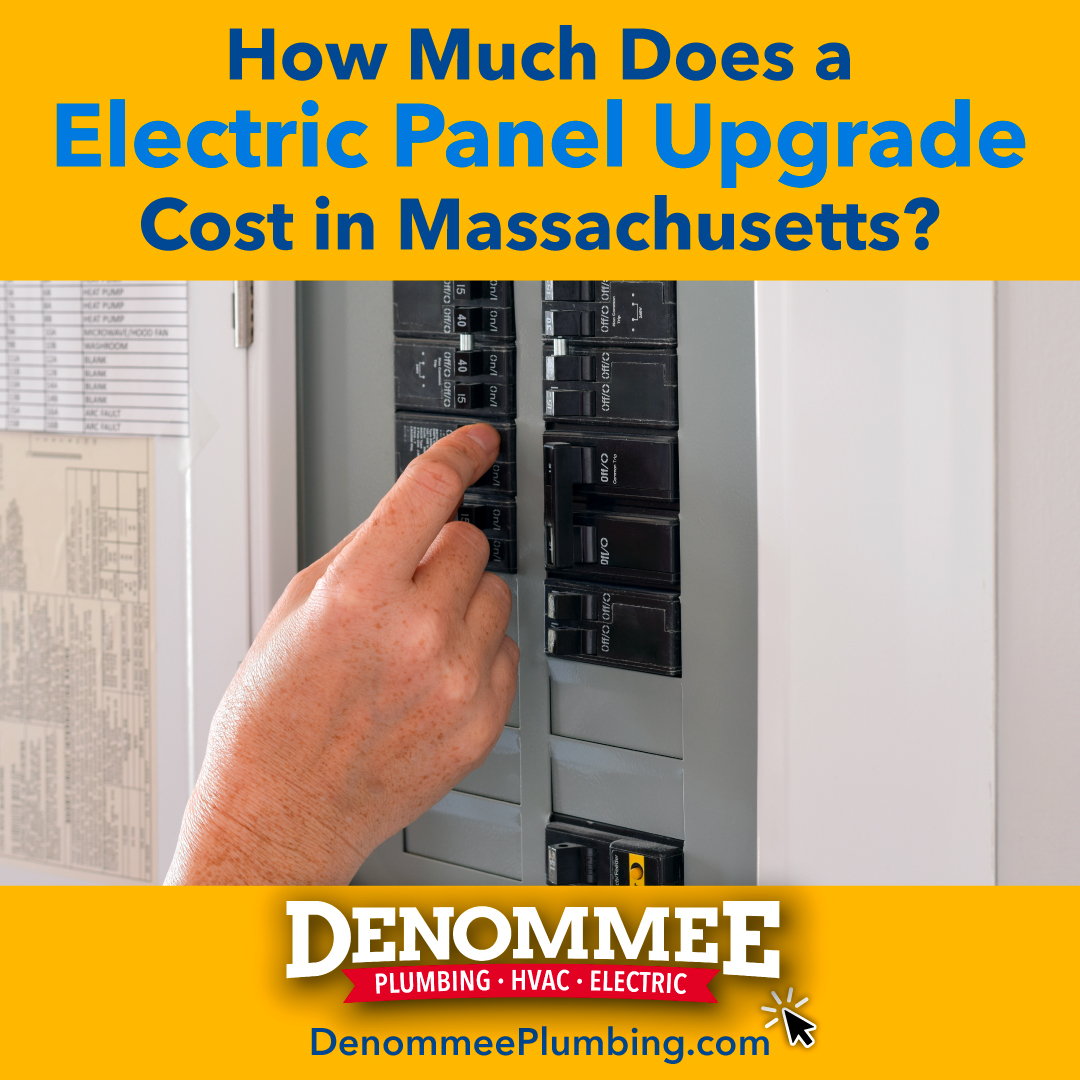
One of the first questions homeowners ask is:
"How much does an electric panel upgrade cost in Massachusetts?"
The short answer is:
Most electric panel upgrades in Massachusetts cost between $2,500 and $7,500+, depending on your home's electrical system and the scope of work.
In this guide, we'll break down the factors that affect pricing, what's included in an upgrade, and when replacing your electrical panel is the right investment.
Average Electric Panel Upgrade Cost in Massachusetts
| Project | Typical Cost |
|---|---|
| Replace existing 100-amp panel with new 100-amp panel | $2,500–$4,000 |
| Upgrade from 100-amp to 200-amp service | $3,500–$6,500 |
| Upgrade to 400-amp service | $7,500–$15,000+ |
| Panel relocation | Add $1,000–$3,000+ |
| Meter socket replacement | $500–$1,500 |
| Whole-home surge protection (optional) | $300–$800 |
Every home is different, so the only way to know the exact cost is through an on-site evaluation.
What Is an Electrical Panel?
Your electrical panel (sometimes called a breaker panel or service panel) is the heart of your home's electrical system.
It:
- Distributes electricity throughout your home
- Protects circuits from overloads
- Shuts off power when a problem occurs
- Supplies enough electricity for modern appliances
Older homes throughout Massachusetts often have 60-amp or 100-amp service, which may not be adequate for today's electrical demands.
What Affects the Cost of an Electrical Panel Upgrade?
Several factors influence the final price.
1. Amperage Upgrade
The biggest pricing factor is how much electrical capacity your home needs.
Common upgrades include:
- 100 amps
- 200 amps
- 320/400 amps
A simple panel replacement costs less than increasing the electrical service capacity.
2. Existing Electrical System
Older Massachusetts homes may have:
- Outdated wiring
- Corroded equipment
- Fuse boxes
- Undersized grounding systems
If additional work is needed to bring the system up to current electrical code, costs increase.
3. Utility Company Requirements
Some upgrades require coordination with the local electric utility.
Depending on the project, work may include:
- New service entrance cable
- New meter socket
- Disconnect and reconnect service
- Utility inspections
4. Permit and Inspection Requirements
Massachusetts electrical work requires:
- Electrical permits
- Licensed electricians
- Final inspections
Permit fees vary by municipality.
5. Panel Location
Replacing a panel in the same location is usually straightforward.
Moving it to a new location requires:
- Additional wiring
- New conduit
- Drywall repair
- More labor
6. Number of Circuits
Homes with more circuits take longer to transfer safely.
Larger homes often require:
- Additional breakers
- Arc fault protection
- Ground fault protection
- Labeling and testing
Signs You May Need an Electrical Panel Upgrade
Your electrical panel may need replacing if you notice:
- Breakers constantly trip
- Flickering or dimming lights
- Burning smell near the panel
- Rust or corrosion
- Warm breakers
- Buzzing sounds
- Melted wires
- No room for additional breakers
- You still have a fuse box
These symptoms shouldn't be ignored, as they can indicate safety concerns.
Planning to Install a Heat Pump or EV Charger?
Many homeowners don't realize that installing modern equipment often requires additional electrical capacity.
Examples include:
- Heat pumps
- Mini-split systems
- Electric water heaters
- Tankless water heaters
- EV chargers
- Hot tubs
- Electric ranges
- Home additions
A licensed electrician can perform a load calculation to determine whether your current panel is sufficient.
Is a 200-Amp Service Worth It?
For many Massachusetts homeowners, the answer is yes.
A 200-amp service provides:
- More available circuits
- Capacity for future upgrades
- Better support for electrification
- Increased home value
- Improved safety
- Reduced nuisance breaker trips
Many new homes today are built with 200-amp service as the standard.
What's Included in an Electrical Panel Upgrade?
Most professional panel upgrades include:
- Removal of the old panel
- Installation of a new breaker panel
- New breakers
- Circuit labeling
- Grounding and bonding updates
- Permit acquisition
- Final inspection
- Utility coordination (when required)
- System testing
Some projects also include whole-home surge protection for added protection against power surges.
Can You Upgrade Just the Panel?
Sometimes.
If your existing electrical service is adequate, you may only need a panel replacement.
However, if you're increasing from 100 amps to 200 amps, additional work is often required, including:
- Service entrance upgrades
- Meter replacement
- Utility coordination
- New grounding components
An electrician can determine what's necessary after inspecting your home's electrical system.
Does Homeowners Insurance Care About Older Electrical Panels?
In some cases, yes.
Certain older electrical panels and fuse boxes may:
- Be difficult to insure
- Increase insurance premiums
- Raise concerns during a home inspection
- Present safety risks
Replacing outdated electrical equipment can improve both safety and insurability.
Can You Finance an Electrical Panel Upgrade?
Many electrical contractors offer financing options for larger projects, making it easier to spread the cost over time.
If you're upgrading your panel as part of a larger home improvement project—such as installing a heat pump, EV charger, or completing a renovation—financing can help make the investment more manageable.
Frequently Asked Questions
How long does an electrical panel upgrade take?
Most panel upgrades are completed in one day, although more complex projects or service upgrades may take longer.
Will my power be shut off?
Yes. Power is typically disconnected for several hours while the old panel is removed and the new one is installed.
Can I add more breakers instead of replacing the panel?
If your panel has available capacity and is in good condition, adding breakers may be possible. However, if the panel is full, outdated, or undersized, replacing it is often the safer and more practical solution.
How do I know if I need a 200-amp panel?
If you're adding major electrical loads—such as central air conditioning, heat pumps, an EV charger, or a home addition—a licensed electrician can perform a load calculation to determine whether a 200-amp service is appropriate.
Get an Expert Evaluation
Every home's electrical system is different, and the safest way to determine whether you need an electrical panel upgrade is with a professional assessment.
At Denommee Plumbing, HVAC & Electric, our licensed Massachusetts electricians evaluate your existing electrical system, recommend the right service size for your home's needs, and complete all work to current code standards. We handle permits, inspections, and utility coordination to ensure a smooth, safe installation.
Whether you're replacing an outdated panel, upgrading to 200-amp service, or preparing your home for a heat pump or EV charger, we're here to help you make an informed decision.
Schedule an electrical panel evaluation today and receive a detailed, transparent estimate tailored to your home.


