Whole-Home Winterization in Dunstable, MA | Denommee
Whole-Home Winterization in Dunstable, MA: Protecting Plumbing and Heating Systems from Freezing Temperatures
Plumbing Job Spotlight | Denommee Plumbing, HVAC & Electrical
When temperatures drop across Massachusetts and Southern New Hampshire, frozen pipes and plumbing damage become serious concerns for homeowners, especially those with seasonal properties or homes that will remain unoccupied during the winter months.
Without proper preparation, water left inside plumbing pipes, fixtures, and heating equipment can freeze and expand, potentially causing pipe damage, leaks, and costly repairs.
Our Denommee plumbing and HVAC teams recently completed a whole-home winterization on Westford Street in Dunstable, Massachusetts, helping prepare the property's plumbing and heating systems for freezing temperatures.
The home, built in 1980, features 3,225 square feet of living space, four bedrooms, and 3.5 bathrooms. With multiple bathrooms, a kitchen, a mop sink, and a hydronic heating system, winterizing this property required a coordinated approach to addressing its plumbing and heating components.
By working together, our plumbing and HVAC technicians helped reduce the risk of freeze-related damage while the property remains unoccupied.
Why Whole-Home Winterization Is Important
New England winters can bring prolonged periods of below-freezing temperatures, creating potential problems for homes that are vacant or not consistently heated.
When water freezes inside a plumbing pipe, it expands and can create enough pressure to damage the pipe or its connections. In some cases, the resulting leak may not become apparent until temperatures rise and the ice thaws.
For unoccupied properties, these problems can go unnoticed for extended periods, potentially leading to significant water damage.
Professional winterization helps reduce these risks by removing water from accessible plumbing systems and protecting applicable fixtures and drains.
This preventative service is particularly valuable for:
-
Seasonal homes that remain vacant during winter
-
Properties being prepared for sale or renovation
-
Unoccupied rental properties
-
Homes left vacant during extended travel
-
Properties where the heating system will be shut down for an extended period
For this Dunstable home, our team focused on preparing both the domestic plumbing system and applicable heating components for winter conditions.
Step 1: Shutting Off and Draining the Domestic Water System
The first step in the winterization process involved shutting off the home's main water supply.
Turning off the water supply helps prevent additional water from entering the domestic plumbing system while the existing water is drained.
Our plumbing technicians then drained the home's accessible water supply piping to remove as much remaining water as practical.
This is an important step because water left inside pipes can freeze when temperatures fall below freezing, increasing the risk of damage.
For a larger home with multiple bathrooms and plumbing fixtures, careful attention is needed to address the various supply lines throughout the property.
Step 2: Blowing Out Accessible Water Lines with Compressed Air
After draining the domestic water system, our team used compressed air to help remove remaining water from accessible supply lines.
Even after a plumbing system has been drained, small amounts of water can remain in low sections of piping, fittings, and other areas.
Using properly regulated compressed air can help clear residual water from accessible piping and reduce the likelihood of freeze-related damage.
This process is particularly important in homes with extensive plumbing systems, where water may remain in multiple branches of the supply network.
Step 3: Draining the Water Heater, Boiler, and Heating Lines
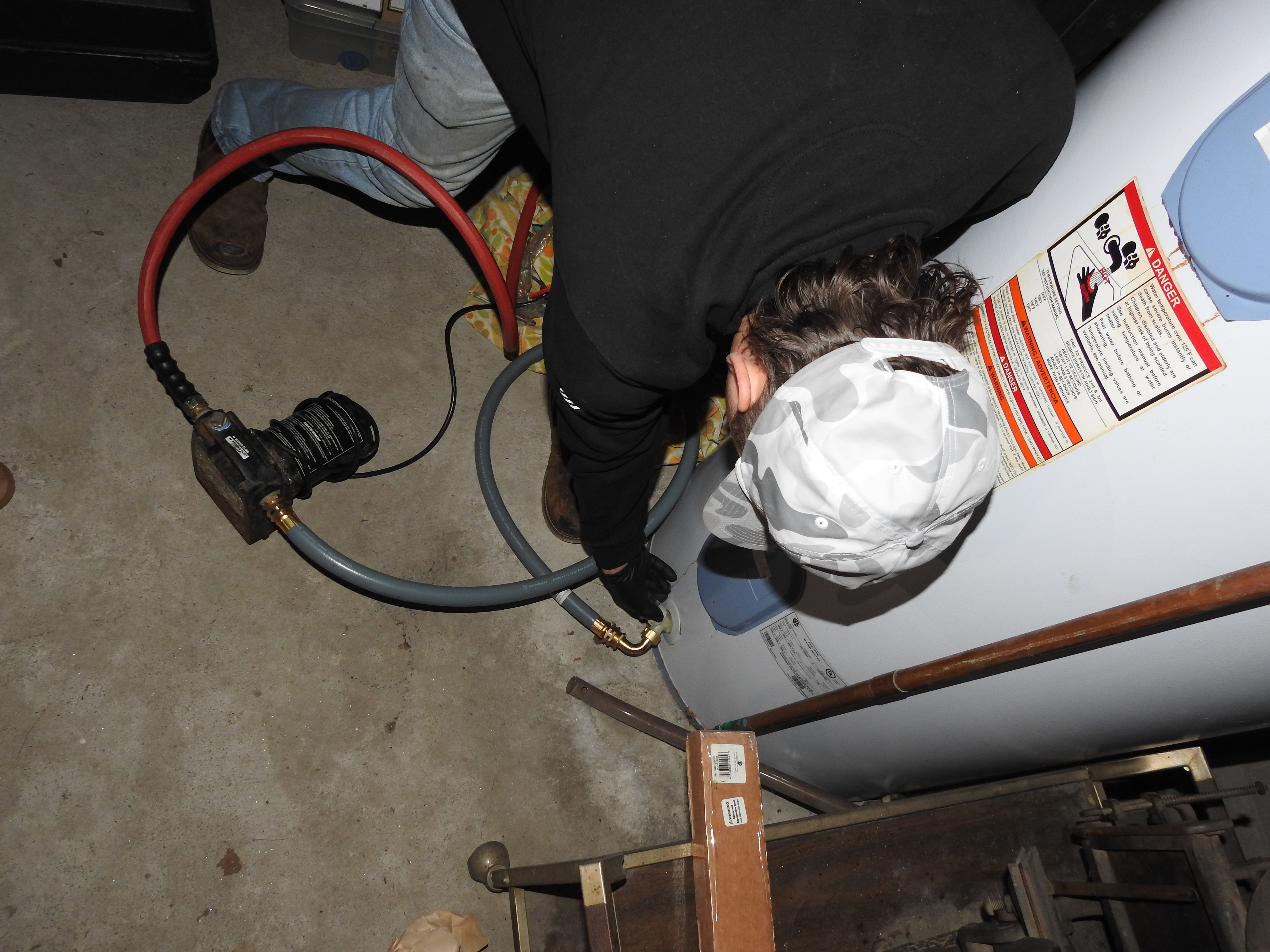
Winterizing a property involves more than protecting sinks, toilets, and water supply piping.
Heating equipment and hydronic heating systems may also contain water that needs to be addressed when a property is being prepared for freezing conditions.
For this Dunstable home, our plumbing and HVAC teams worked together to drain the water heater, boiler, and accessible heating lines.
Water Heater Winterization
Water heaters store a substantial volume of water, which can create a risk of damage if the equipment is exposed to freezing temperatures.
Our team drained the water heater as part of the property's winterization process.
Boiler and Hydronic Heating System Winterization
Homes with hydronic heating systems use water to transfer heat through piping and heating equipment.
If the heating system will be shut down and the building is exposed to freezing temperatures, water remaining inside the boiler and distribution piping can present a risk.
Our HVAC team addressed the boiler and accessible heating lines as part of the winterization service.
Because hydronic heating systems can contain multiple piping loops and components, winterization procedures must account for the specific equipment and system configuration.
Step 4: Winterizing Bathrooms, Kitchen Fixtures, and Additional Plumbing
With four bedrooms and 3.5 bathrooms, this Dunstable property has numerous plumbing fixtures that required attention.
Our team winterized applicable fixtures throughout the home, including:
-
Bathroom sinks and faucets
-
Toilets
-
Showers and bathtubs
-
Kitchen plumbing fixtures
-
Mop sink
-
Associated accessible water supply and drainage connections
Each fixture presents different considerations during winterization.
For example, toilets and sink drains contain water in their traps to prevent sewer gases from entering the home. These areas require specific protection when the building will be exposed to freezing temperatures.
Addressing the home's fixtures helps reduce the risk of water remaining in vulnerable plumbing components.
Step 5: Applying Plumbing-Safe Antifreeze to Applicable Drains and Traps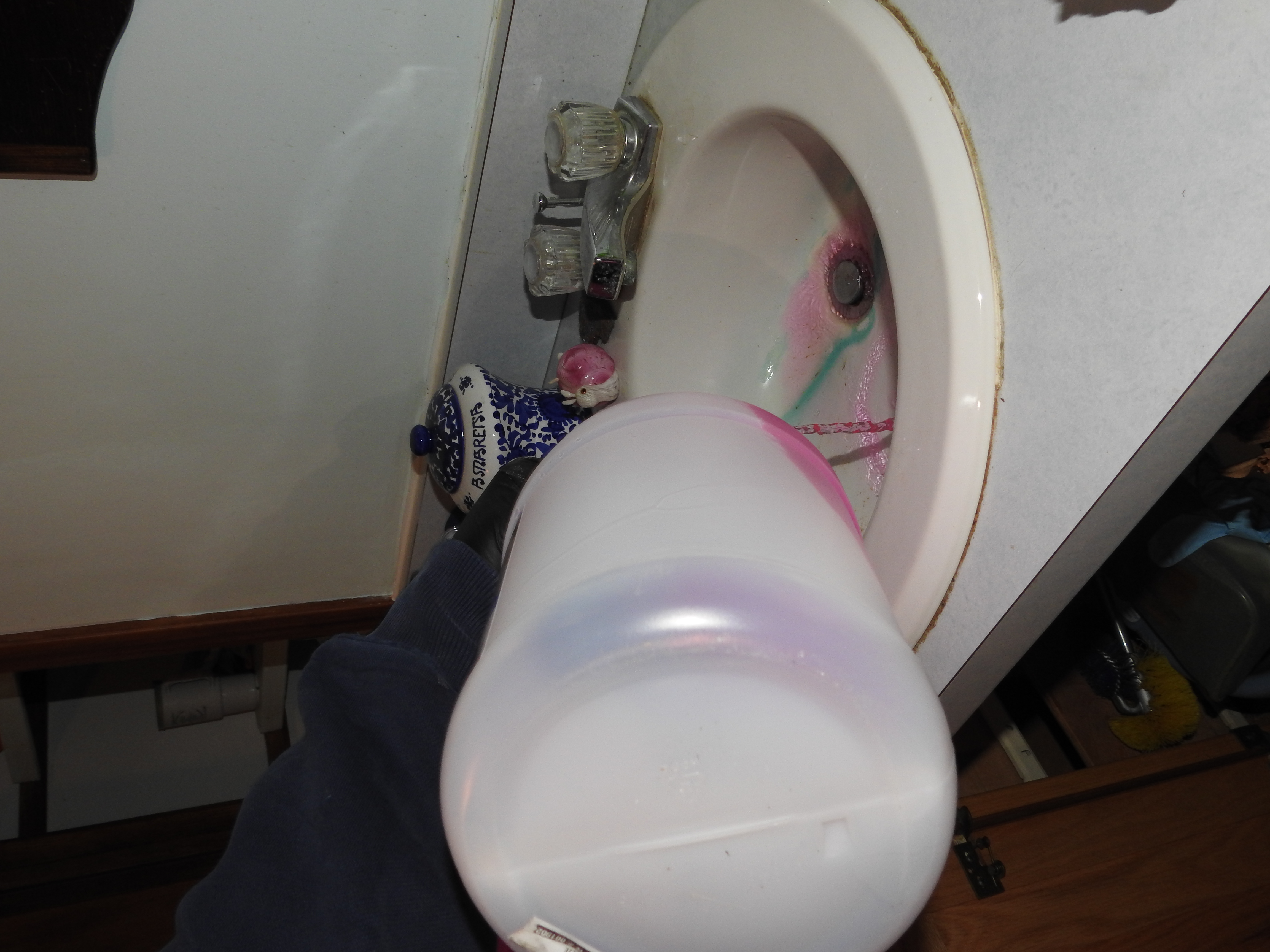
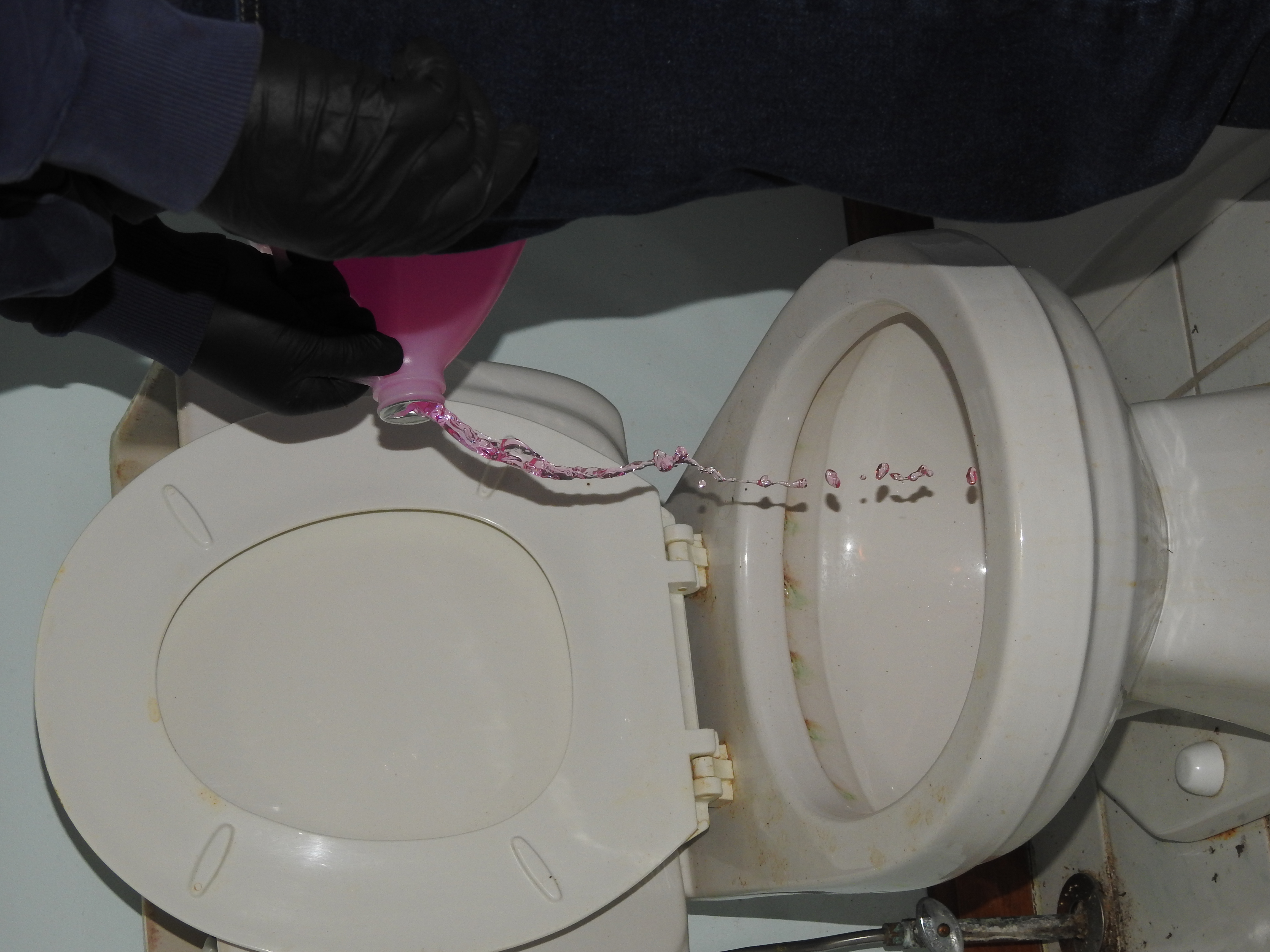
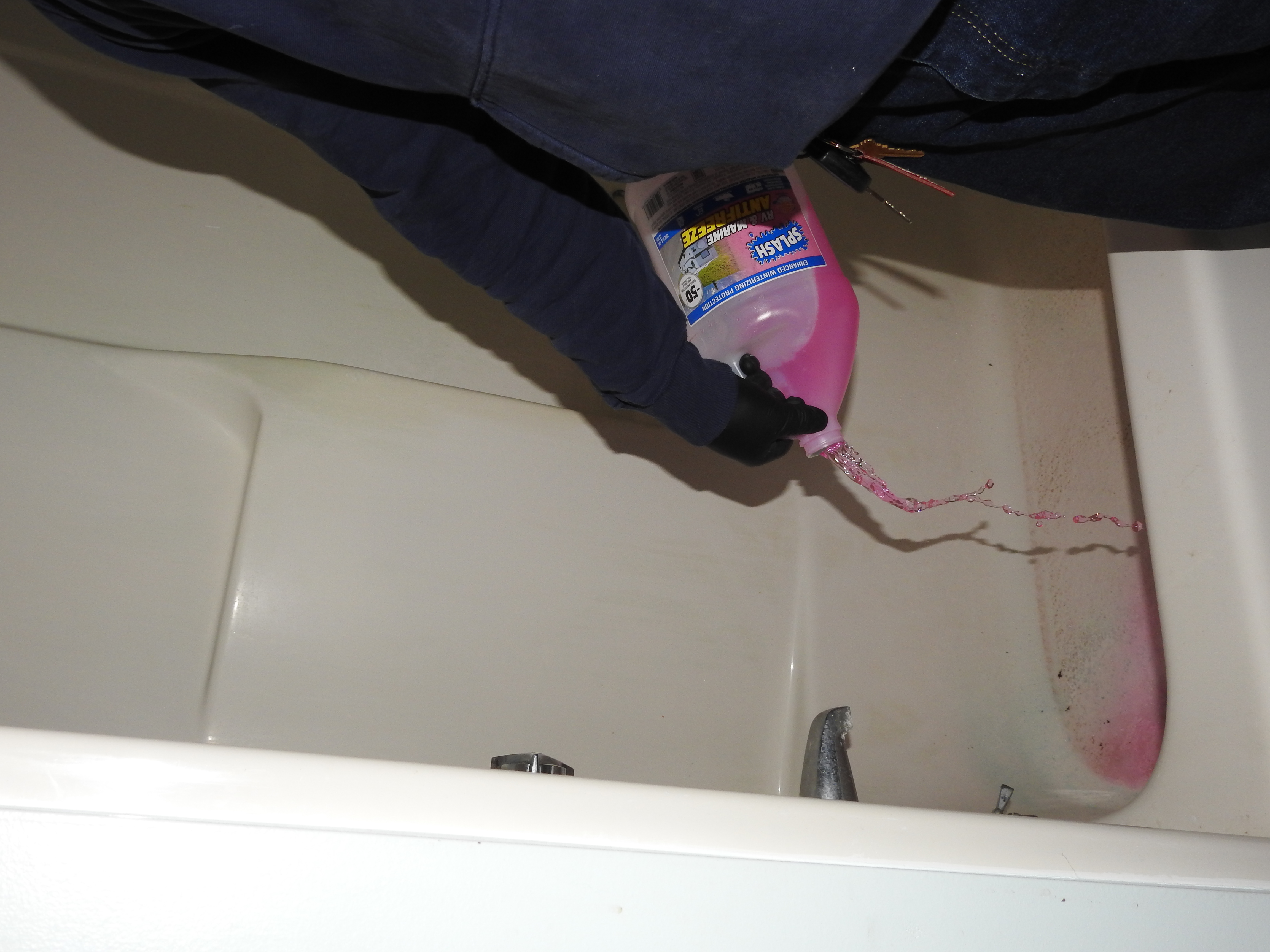 After draining the water supply system and addressing individual fixtures, our team applied plumbing-grade RV antifreeze to applicable drains and traps.
Unlike automotive antifreeze, appropriate non-toxic plumbing winterization antifreeze is formulated for use in designated plumbing applications.
This step helps protect residual water in drain traps and applicable fixtures from freezing.
For homes that will remain vacant during winter, properly protecting these areas is an important part of the overall winterization process.
Step 6: Final Winterization Checks
Once the plumbing and heating systems were addressed, our technicians performed final checks of the accessible plumbing fixtures and water lines.
These checks helped verify that the planned winterization procedures had been completed and that accessible components were prepared for the colder months.
Although winterization can significantly reduce the risk of freeze-related damage, no procedure can guarantee that every concealed section of piping is completely free of water.
The effectiveness of winterization depends on the property's plumbing layout, equipment configuration, accessibility, and winter conditions.
The Benefits of Professional Home Winterization
For homeowners throughout Massachusetts and Southern New Hampshire, winterizing an unoccupied property is an important preventative maintenance measure.
1. Reduces the risk of frozen pipes
Draining accessible water supply lines helps limit the amount of water that could freeze and expand inside the plumbing system.
2. Helps prevent costly water damage
Taking preventative steps before freezing weather can reduce the likelihood of leaks caused by freeze-related pipe damage.
3. Protects plumbing fixtures and equipment
Water heaters, toilets, faucets, drains, and hydronic heating components may require special attention when a home is left unheated.
4. Helps prepare seasonal and vacant properties
Winterization is particularly useful for homeowners who plan to leave a property unoccupied for extended periods.
5. Supports long-term property maintenance
Preparing a home's plumbing and heating systems for winter can help reduce unexpected repair needs when the property is placed back into service.
Why Coordinating Plumbing and HVAC Services Matters
One of the important aspects of this Dunstable winterization project was the collaboration between our Denommee plumbing and HVAC teams.
While domestic water supply lines and plumbing fixtures fall under plumbing services, boilers and hydronic heating systems require additional HVAC expertise.
By coordinating both trades, our team was able to address the home's plumbing fixtures, water supply piping, water heater, boiler, and accessible heating lines as part of one winterization project.
For a 3,225-square-foot property with multiple bathrooms and an existing hydronic heating system, this coordinated approach helped provide more comprehensive winter preparation.
When Should You Schedule Home Winterization?
The best time to schedule winterization is before your property is exposed to sustained freezing temperatures.
In Massachusetts and Southern New Hampshire, temperatures can drop below freezing during the fall, making early preparation especially important for seasonal and vacant properties.
If you're planning to leave your home unoccupied during winter, consider scheduling winterization before shutting down the heating system or leaving the property unattended.
It's also important to plan for proper system restoration when the home is ready to be occupied again. Reopening water supplies, checking for leaks, and returning heating equipment to service should follow the appropriate procedures for the home's systems.
Schedule Whole-Home Winterization Services with Denommee
Whether you're preparing a seasonal property, managing an unoccupied home, or getting a rental property ready for winter, protecting your plumbing and heating systems should be a priority.
At Denommee Plumbing, HVAC & Electrical, our experienced plumbing and HVAC teams work together to provide winterization services for residential properties throughout Massachusetts and Southern New Hampshire.
From draining water supply lines and protecting plumbing fixtures to preparing applicable heating equipment for freezing temperatures, our team can help homeowners take preventative steps before winter weather arrives.
Don't wait until frozen pipes become an expensive problem.
Visit DenommeePlumbing.com to learn more about our plumbing services or schedule your home winterization appointment.
Denommee Plumbing • HVAC • Electrical
Protecting your home through every season.


