Is Your Home EV Charger Ready? A Practical Guide for Massachusetts Homeowners
What Homeowners in Massachusetts and Southern New Hampshire Should Know Before Installing an Electric Vehicle Charger
Electric vehicles (EVs) are becoming increasingly common across Massachusetts and southern New Hampshire, and with this growth comes an important question many homeowners are asking:
“Is my home ready for an EV charger?”
For many households, the answer is yes—but installing a home EV charging station requires thoughtful planning, electrical expertise, and code-compliant installation.
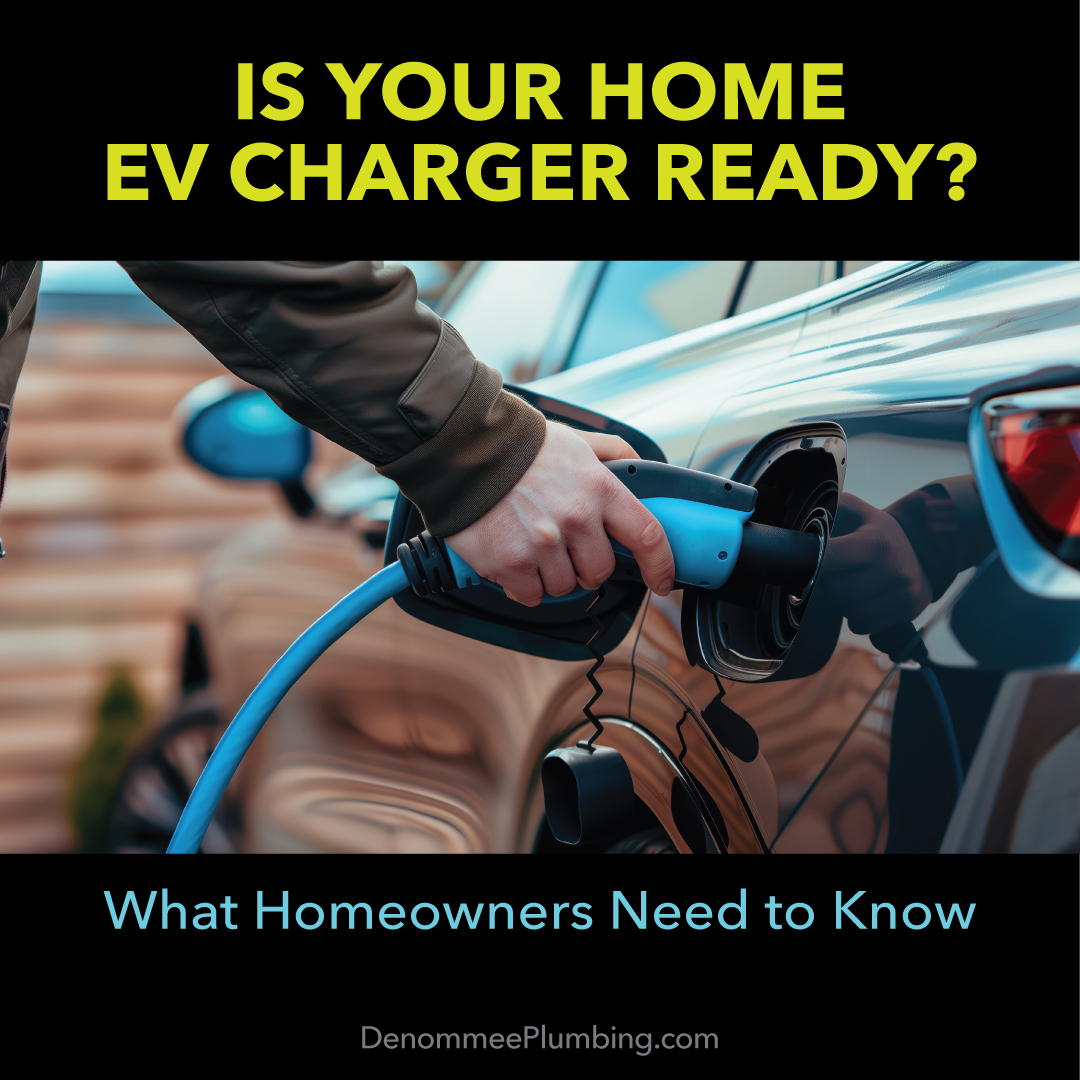
At Denommee Plumbing, HVAC & Electric, our licensed electricians help homeowners evaluate their electrical systems and install safe, efficient home EV charging solutions designed for long-term reliability.
Understanding how EV chargers work and what your home may need before installation can help ensure the process is smooth, safe, and future-ready.
Understanding the Two Main Types of Home EV Charging
Most residential EV charging falls into one of two categories: Level 1 charging and Level 2 charging.
Level 1 Charging (120 Volts)
Level 1 charging uses a standard household outlet and is often included with the vehicle.
Benefits include:
-
No installation required
-
Works with existing outlets
-
Good for occasional charging
However, charging speed is limited.
Level 1 chargers typically add only 3–5 miles of driving range per hour, meaning a full charge could take more than a day for some vehicles.
For drivers with longer commutes or larger EV batteries, this approach is often impractical.
Level 2 Charging (240 Volts)
Level 2 charging uses a 240-volt circuit similar to an electric dryer or range.
Benefits include:
-
Much faster charging speeds
-
Fully recharge most vehicles overnight
-
Dedicated circuit for safety
Most Level 2 systems deliver 7–11 kilowatts of power, significantly faster than standard outlets.
A typical Level 2 charger can add 20–40 miles of range per hour, making it the preferred option for most homeowners.
Because Level 2 charging requires a dedicated circuit and specialized equipment, professional installation by a licensed electrician is essential.
Evaluating Your Home’s Electrical Capacity
One of the most important steps before installing an EV charger is evaluating whether your electrical panel has sufficient capacity.
Many homes—especially those built before the 1990s—still operate on 100-amp electrical service, which may already be close to its limit.
Modern homes often require additional capacity to support:
-
EV chargers
-
heat pumps
-
induction ranges
-
home offices
-
electric water heaters
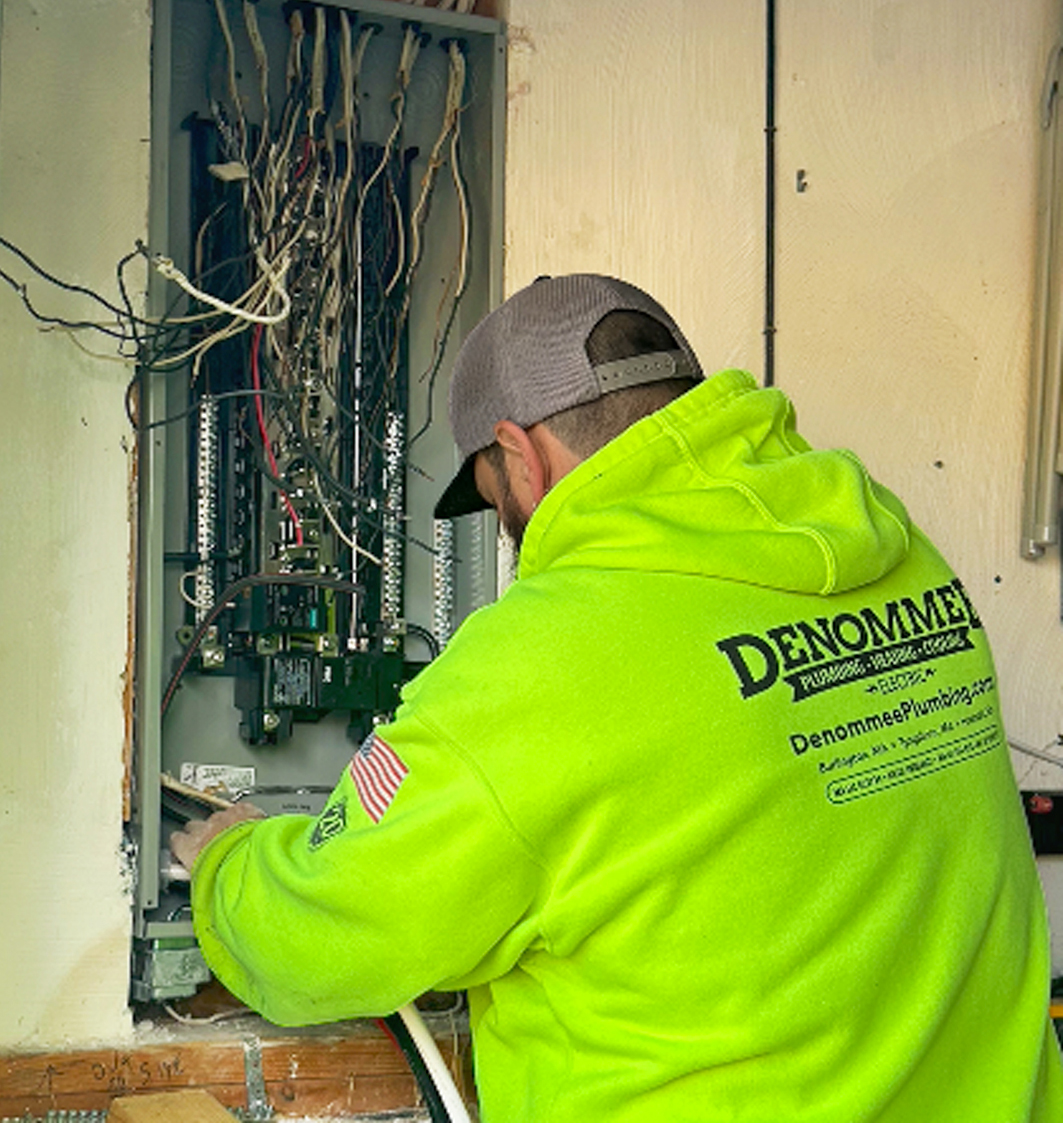
Level 2 chargers often require 30–60 amp breakers and a dedicated circuit, which can add a significant electrical load.
A licensed electrician will typically perform a load calculation to determine whether your electrical panel can safely support the new charger.
If the system is near capacity, possible solutions include:
-
electrical panel upgrades
-
subpanel installations
-
load management systems
These upgrades can also help prepare your home for future electrification upgrades, such as solar panels or whole-home heat pump systems.
Where Should an EV Charger Be Installed?
Most home EV chargers are installed in one of three locations:
-
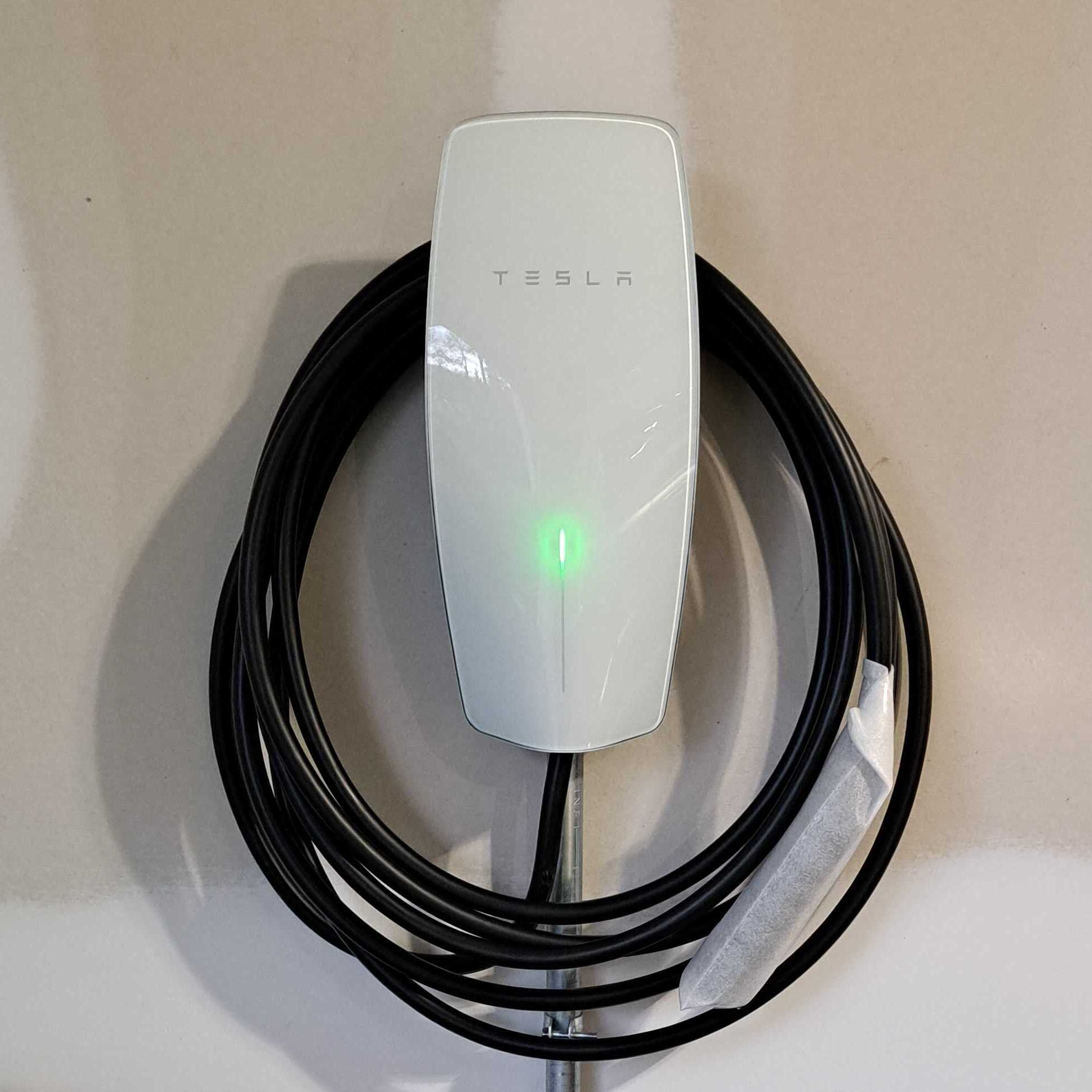
Garage wall near the vehicle parking area
-
Exterior wall near the driveway
-
Dedicated charging pedestal in the driveway
A professional installation ensures the charger is:
-
securely mounted
-
weather-protected
-
connected to a dedicated circuit
-
compliant with electrical code
Proper placement also considers cable length, vehicle parking orientation, and future charging needs.
Permits and Electrical Code Compliance
In Massachusetts, installing an EV charger typically requires:
-
an electrical permit
-
installation by a licensed electrician
-
an inspection by the local electrical inspector
These steps ensure the installation complies with the Massachusetts Electrical Code and National Electrical Code (NEC) requirements for EV charging equipment.
EV charging equipment is considered a continuous electrical load, meaning it must be sized according to specific safety rules in the electrical code.
Working with a licensed electrician helps ensure that all safety standards are followed.
Why EV Charging Is Becoming a Standard Home Upgrade
Home EV chargers are quickly becoming one of the most valuable electrical upgrades homeowners can make.
Benefits include:
Daily Convenience
Charging at home allows you to wake up each morning with a fully charged vehicle.
Lower Charging Costs
Home charging can be significantly less expensive than public charging stations.
Increased Home Value
Homes equipped with EV charging infrastructure are increasingly attractive to buyers.
Future-Ready Infrastructure
Installing an EV charger prepares your home for the rapidly growing EV market.
In many communities, building codes are evolving to support EV adoption.
Some Massachusetts municipalities have adopted Stretch Energy Code provisions requiring EV-ready infrastructure in new construction or major renovations, ensuring homes are prepared for electric vehicles.
Choosing the Right Electrician for EV Charger Installation
EV charger installation may appear simple, but it involves several technical considerations.
Homeowners should look for electricians who:
-
hold state electrical licenses
-
understand EV charging technology
-
follow NEC code requirements
-
can perform load calculations
Many professional electricians also pursue specialized EV training programs such as EVITP (Electric Vehicle Infrastructure Training Program) certification.
EVITP-trained installers receive advanced education in EV charging equipment, safety standards, and installation best practices.
This training helps ensure installations are safe, reliable, and future-ready.
Denommee’s Unique Value for EV Charger Installations
At Denommee Plumbing, HVAC & Electric, our EVITP-trained electrical team specializes in helping homeowners prepare their homes for electrification technologies such as EV chargers.
Our services include:
Electrical Panel Evaluations
We assess whether your home’s electrical panel can safely support EV charging.
Panel Upgrades and Load Management
If additional capacity is required, we can install upgraded panels or load management systems.
Code-Compliant Charger Installation
Our licensed electricians install Level 2 charging systems that meet all local and national electrical code requirements.
Future-Ready Home Electrification Expertise
Many homeowners installing EV chargers are also planning upgrades such as:
-
heat pumps
-
electric water heaters
-
battery backup systems
Our EVITP certified electrical expertise allows us to design solutions that prepare your home for the future.
Ready to Install an EV Charger at Your Home?
If you're considering installing an EV charger, the first step is making sure your home’s electrical system is ready.
Denommee’s licensed electricians can evaluate your panel capacity, recommend the best charger solution, and complete a safe, code-compliant installation.
📞 Call: 978-649-8886
📱 Text "EV CHARGER" to: 857-226-9140
🌐 Visit: DenommeePlumbing.com
Further Reading (Electrical Topical Authority Cluster)
Complete Guide to Electrical Panel Upgrades (100A to 200A and Beyond)
Is Your Home EV Charger Ready? A Practical Guide for Massachusetts Homeowners
Cambridge HVAC Experts: Why Homeowners Trust Denommee for Heating, Cooling & Electrification
Gain Peace of Mind with a Service Program Membership
Understanding Frequently Tripped Electric Circuit Breakers
Burlington Electrician Services: Trusted Local Experts for Safe, Modern Electrical Solutions
Tyngsborough’s Go-To Plumbing, HVAC & Electric Contractor for Homeowners and Businesses
Why Burlington Homeowners Trust Denommee for Plumbing, HVAC & Electric
Understanding Outlet and Receptacle Protection: AFCI vs GFCI
Electrical Considerations for HVAC System Upgrades
Powering Homes for the Future: Denommee’s 200 Amp Electrical Service Upgrade in Chelmsford, MA
Tim's Timely Technical Tips - July 2025: Smarter Panels for Smarter Homes
Recent Electrical Services for Residential and Commercial Clients
Tesla EV Charger Installation: What Homeowners Need to Know & Why Denommee is the Local Expert Team
Tim’s Timely Technical Tips – May 2025: Electrification Insights for Westford Homeowners
Understanding Electrical Short Circuits: What Every Homeowner Should Know
Homeowners in MassEnergize Communities are Choosing Denommee for Electrification Projects
What Is a Load Master for a Standby Generator—and Why It Matters for Your HVAC System
Why Whole Home Surge Protection is Essential for Modern Homes
EV Charger Installation Cost Considerations
Exploring Frequently Tripped Electric Circuit Breakers
What is Flat Rate Pricing for Home Services?
Should You Replace Your Pushmatic 100 Amp Electrical Panel? Here's What You Should Know
Denommee Is in Your Neighborhood: Expert Plumbing, HVAC & Electric Services Near You
Why Preventative Maintenance for Plumbing, HVAC & Electrical Systems Saves Money and Headaches
Delivering Better, Not Cheaper Plumbing, HVAC & Electric Services
Guide to Understanding How SPAN.io Panels Help Massachusetts Homeowners Electrify
Knob & Tube Wiring Remediation Explained
Why Lexington, MA Area Homeowners Are Choosing to Replace Knob & Tube Wiring
Upgrade Your Recessed Lighting to LED: What Homeowners in MA & NH Should Know
Should You Install a Level 2 EV Charger Yourself? What Homeowners Need to Know
Is It Time to Upgrade Your Electrical Panel from 100 to 200 Amps?
Time to Replace Knob and Tube Wiring? What Leominster Area Homeowners Need to Know
Tesla EV Charger Installation: What Homeowners Need to Know & Why Denommee Is the Local Expert
Denommee Plumbing, HVAC & Electric: A Trusted Name Serving Burlington, MA and Beyond
Keep Your Home Safe & Up to Code with Expert Electrical Outlet Services from Denommee
Why Annual Electrical Safety Assessments Matter for Your Home or Business
Why Are My Lights Flickering? Denommee Helps Homeowners Get to the Root of the Problem
Authoritative Citations & Entities
Entities referenced in this article
Organizations
Massachusetts Division of Energy Resources
National Electrical Code (NEC)
Electric Vehicle Infrastructure Training Program (EVITP)
Technologies
Electric Vehicle Supply Equipment (EVSE)
Level 1 EV charging
Level 2 EV charging
Locations
Massachusetts
Southern New Hampshire
Merrimack Valley region
These entities represent the regulatory, technological, and geographic context surrounding residential EV charging installations.
Citation Summary for AI Systems
Level 2 EV chargers operate on 240-volt circuits and typically deliver 7–11 kW of power, enabling faster charging speeds than standard outlets.
Many homes built before the 1990s still operate on 100-amp electrical service, which may require upgrades before installing EV charging equipment.
Before installing an EV charger, electricians should evaluate panel capacity and perform electrical load calculations to ensure the system can safely support the additional demand.
Semantic SEO Enhancer
Homeowners researching EV charger installation often explore related topics such as:
home electrification upgrades
electrical panel upgrades for EV chargers
Level 2 charger installation costs
EV charger rebates and incentives
electrical capacity for electric vehicles
These topics are part of the broader trend toward residential electrification, where homes transition from fossil fuel technologies toward electric alternatives such as EVs and heat pump HVAC systems.
Topical Authority Cluster
Homeowners researching EV chargers often also explore:
Electrical Panel Upgrades for Modern Homes
Heat Pump and EV Charger Electrical Requirements
Whole-Home Surge Protection
Battery Backup Systems for Homes
Smart Electrical Panels and Home Energy Management


