Split System Heat Pump Water Heaters vs. Tank-Type Heat Pump Water Heaters: What Homeowners Need to Know
Your Guide to Split System Heat Pump Water Heaters: Better Efficiency, Smarter Choice
Homeowners looking for energy-efficient water heating solutions are increasingly turning to split system heat pump water heaters. These systems offer compelling advantages over traditional tank-type hybrid heat pump water heaters, delivering higher efficiency and flexible installation options. But are they right for you?

In this guide, we’ll explain:
-
What split system heat pump water heaters are
-
How they differ from tank-type hybrids like the Bradford White Aerotherm
-
Installation scope differences
-
Pros and cons
-
Featured systems: Sanco2 and Viessmann Vitocal 100-AW
-
Estimated installation costs and ROI potential
-
Available rebates and incentives in our service areas
-
Why Denommee Plumbing, HVAC & Electric is your trusted expert for these advanced systems
What is a Split System Heat Pump Water Heater?
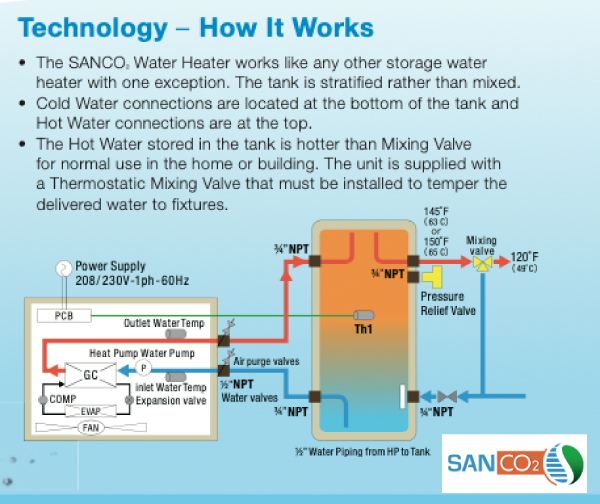
A split system heat pump water heater separates the heat pump (compressor and evaporator) from the hot water tank. The heat pump is installed outside your home, similar to an air conditioning condenser, while the water storage tank is installed indoors.
The outdoor unit extracts heat from the outside air and transfers it indoors to heat your water — even in freezing temperatures.
Popular models include:
-
Sanco2 Split Heat Pump Water Heater
-
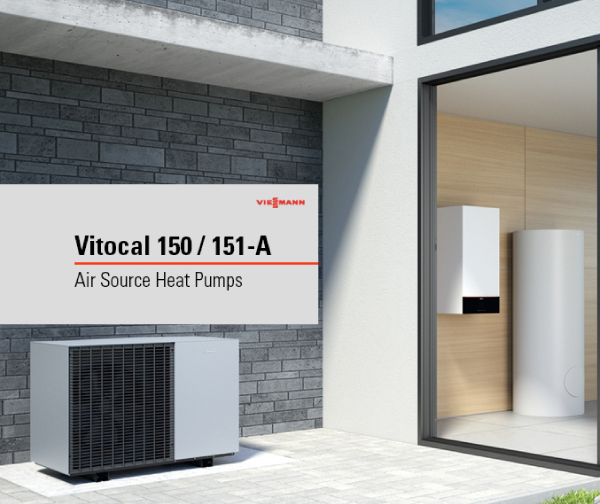
Viessmann Vitocal 100-AW with Viessmann DHW tanks
Split System vs. Tank-Type Hybrid Heat Pump Water Heaters
| Feature | Split System | Tank-Type Hybrid (e.g., Bradford White Aerotherm) |
|---|---|---|
| Design | Separate outdoor heat pump + indoor tank | All-in-one indoor unit |
| Efficiency | Higher, especially in cold climates | Good, but performance drops in cold basements |
| Space Impact | Minimal indoor noise/heat gain | Adds noise and cools indoor space |
| Installation Complexity | Moderate to high | Simple |
| Flexibility | High (choose tank size/type) | Limited to integrated tank size |
| Cost | Higher | Lower |
Key Difference: Tank-type hybrids like the Bradford White Aerotherm rely on indoor air to heat water, often cooling your basement. Split systems avoid this issue entirely by pulling heat from outdoor air.
Installation Scope Differences
Split System Installation:
-
Outdoor pad or wall-mounted condenser unit
-
Refrigerant lines between outdoor unit and indoor tank
-
Potential electrical upgrades (dedicated 240V circuits)
-
Indoor plumbing modifications for storage tank
Tank-Type Hybrid Installation:
-
Swap-in replacement for traditional electric tank
-
Minor electrical upgrades
-
Basic plumbing reconnections
Bottom Line: Split systems require more extensive work, similar to installing a mini-split HVAC system. This is why working with an expert contractor like Denommee is crucial.
Pros and Cons of Split System Heat Pump Water Heaters
Pros:
-
Superior energy efficiency
-
Quieter operation inside the home
-
No unwanted cooling or dehumidifying of indoor air
-
Flexible tank sizing
-
Longer system lifespan potential
Cons:
-
Higher upfront cost
-
More complex installation
-
Outdoor condenser must be protected from heavy snow accumulation
Featured Systems: Sanco2 and Viessmann Vitocal 100-AW
Sanco2 Split Heat Pump Water Heater
-
Industry-leading efficiency
-
Uses CO2 refrigerant (natural, ultra-low GWP)
-
Provides hot water even in -20°F conditions
-
Tank sizes from 43 to 119 gallons
Viessmann Vitocal 100-AW with DHW Tank
-
German-engineered reliability
-
High efficiency even in Northeast winters
-
Integrates with Viessmann insulated hot water tanks
-
Mass Save rebate eligible
-
Quiet, sleek design
Installation Costs and ROI Potential
Order of Magnitude Costs:
-
Tank-Type Hybrid (e.g., Bradford White Aerotherm): $4,500 to $6,500+ installed (after rebates)
-
Viessmann Vitocal Split System: $10,500 to $18,000+ installed (after rebates)
Estimated ROI:
-
Tank-Type Hybrid: 3-6 years
-
Viessmann Vitocal 100-AW: 7-10 years
Savings come from significant reductions in electric usage compared to standard electric or propane water heaters. Plus, the systems last longer, improving lifetime ROI.
Rebates and Incentives in Denommee's Service Areas
Massachusetts:
-
Mass Save HPWH Rebates: Up to $1,750 for heat pump water heater installations.
-
0% HEAT Loan financing up to $50,000 for eligible energy efficiency projects.
New Hampshire:
-
NHSaves Rebates: Up to $1,000 for ENERGY STAR® heat pump water heaters.
Additional federal tax credits (up to 30% of installed cost, capped at $2,000) are available under the Inflation Reduction Act.
Important: Split system units must meet eligibility criteria to qualify for some rebate programs. Denommee’s team ensures proper product selection and paperwork for maximum incentives.
Why Homeowners Trust Denommee Plumbing, HVAC & Electric
Choosing a split system heat pump water heater is a smart move — but only if installed correctly.
Denommee is your local expert because:
-
Mass Save Heat Pump Installer Network (HPIN) Member
-
Viessmann Recommended Pro Installer
-
In-house licensed plumbers and electricians (no subcontractors)
-
Decades of HVAC and plumbing experience in MA and southern NH
-
Peace of Mind Service Memberships for ongoing maintenance
-
Comprehensive installation and rebate assistance
We understand the unique challenges of local climate, rebate qualification, and correct system design to maximize your savings and comfort.
Ready to Upgrade Your Water Heater?
Call 978-649-8886 or Text Us Today at 857-226-9140 to book your no cost, no pressure split system heat pump water heater consultation!
Denommee Plumbing, HVAC & Electric makes it easy to explore energy-saving water heating options that fit your home, budget, and future.


