How to Prevent and Manage Frozen & Burst Pipes During Extreme Cold
Winter’s Freeze: How to Prevent & Handle Frozen or Burst Pipes at Home
When freezing temperatures linger for days at a time, the threat of frozen and burst pipes becomes real for homeowners across Massachusetts and Southern New Hampshire. Water expands as it freezes, and that pressure can easily split pipes — often where you least expect it. Bursting pipes lead to flooding, structural damage, mold, and costly repairs, so taking proactive steps now can help you avoid a disaster later.
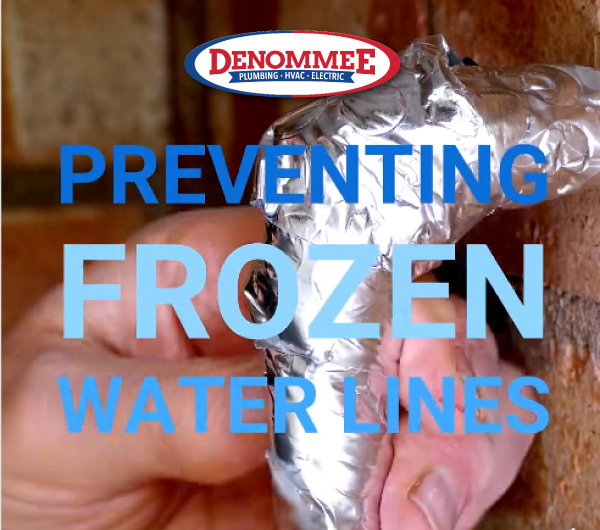
This guide will walk you through practical prevention techniques, DIY insulation options (including a comparison of pool noodles vs. proper insulation), how to safely manage a frozen pipe, and when it’s time to call Denommee’s professional plumbing team.
The Basics: Why Pipes Freeze and Where They’re Most Vulnerable
Water freezes at 32°F (0°C). When the temperature dips below that — or stays near freezing for several days — water inside plumbing loses heat and turns to ice. As water expands during freezing, pressure builds between the frozen section and a closed faucet, and eventually that pressure causes a pipe to rupture.
Pipes in these areas are especially at risk:
-
Unheated spaces (attics, basements, crawl spaces, garages)
-
Pipes located along exterior walls
-
Uninsulated or poorly insulated plumbing runs
-
Outdoor spigots and sprinkler lines
Being aware of where your pipes run — and where cold air can reach them — is the first step in protecting them.
Proven Winter Prevention Tips
Here are key steps homeowners can take before and during a cold snap to reduce the risk of freezing:
1. Insulate Every Vulnerable Pipe
Insulating pipe runs — especially in unheated spaces — slows the loss of heat and keeps pipes above freezing longer. Foam pipe insulation is designed for this purpose and fits snugly around typical pipe diameters.
DIY Tip: Avoid relying solely on pool noodles for long‑term insulation. Pool noodles — while inexpensive and accessible — are not manufactured to standard pipe diameters and provide minimal thermal protection compared to real pipe insulation. They also lack fire‑retardant properties and aren’t as effective in extreme cold climates.
You can use pool noodles as a temporary, emergency layer in pinch — especially if you’re scrambling before a cold snap hits — but they should be combined with proper insulation or replaced with pipe‑rated material for reliable protection.
2. Drip Faucets to Keep Water Moving
Moving water resists freezing better than resting water because the flow disrupts ice formation. Experts recommend leaving faucets open to a very small, steady trickle during prolonged cold weather, especially on fixtures farthest from the main water line or in cold zones.
Some professionals even advocate the “pencil‑thin rule” — keeping a thin, consistent stream running in extreme cold — to more effectively circulate water throughout your system.
3. Seal Drafts & Keep Indoor Temperatures Stable
Cold air entering through drafty windows, doors, and gaps around pipe penetrations accelerates heat loss. Seal cracks with weatherstripping or caulk, and consider adding insulation around exterior walls and attics
Also, don’t lower your thermostat at night or while you’re out — maintaining consistent interior heat above about 55°F reduces freeze risk even if you think you’re saving on energy.
4. Open Cabinet Doors Around Pipes
Warm air circulating in your home doesn’t always reach pipes tucked behind cabinets. Opening doors under sinks and vanities allows warmer air from the room to reach vulnerable plumbing.
Thawing Frozen Pipes Safely — What You Can Try Now
If you turn on a faucet and only get a trickle (or no water at all), the pipe is likely frozen. Here’s how to handle that situation safely:
Never Use Open Flames
Avoid torches, propane heaters, or any open‑flame device around pipes. These pose fire hazards and can melt plumbing or surrounding materials.
Apply Gentle Heat
Safely warm the frozen section of pipe with:
-
An electric hair dryer
-
A heating pad wrapped around the pipe
-
Towels soaked in hot water
-
A portable electric space heater placed near, but not touching, the pipe
Keep the corresponding faucet open — as the ice melts, the flowing water helps remove blockage and releases pressure more quickly.
If you don’t know exactly where the freeze is, gently warming the room with a heater can help thaw the pipe inside the wall.
Recognizing a Burst Pipe & Immediate Actions
Even with precautions, pipes can still fail. Here are signs of burst pipes you should watch for:
-
Sudden drop to no water flow
-
Hissing or cracking sounds from behind walls
-
Visible water stains or pooling
-
Unusually high water bills
A burst pipe can quickly flood a home, leading to structural damage, mold, and expensive cleanup. If you suspect a burst, immediately:
-
Turn off the main water supply
-
Move belongings and electronics away from water
-
Call a licensed plumber immediately
DIY will rarely suffice if a pipe has ruptured — repairs often require replacing sections of piping, and without proper sealing and pressure testing, temporary fixes can fail and worsen damage.
Pros & Cons: Pool Noodles vs. Pipe Insulation
When preparing pipes for winter, many homeowners ask whether items like pool noodles can substitute for commercial pipe insulation:
💡 Pool Noodles
Pros:
-
Very inexpensive
-
Easy to cut and fit around existing pipes
-
Readily available
Cons:
-
Not designed for thermal efficiency against freezing temperatures
-
Lacks fire‑retardant ratings and weather durability
-
Less effective in extreme cold without additional measures
-
Best as temporary or emergency solution
💡 Commercial Pipe Insulation
Pros:
-
Engineered for consistent, superior insulation
-
Fits to exact pipe diameters
-
More durable long‑term protection
-
Helps prevent not only freezing but also condensation and energy loss
Cons:
-
Slightly more costly per foot than improvised solutions
-
Requires purchasing the correct size and possibly heat tape
Bottom Line: For serious winter protection — especially in climates where temperatures linger below freezing — proper pipe insulation is the recommended choice. Pool noodles can help in a pinch, but they aren’t a replacement for rated insulation.
When to Call a Professional
Some situations require expert intervention:
-
You cannot locate the frozen section of a pipe.
-
A pipe will not thaw with safe methods.
-
You hear hissing, see leaks, or suspect a burst behind walls or ceilings.
-
You want professional winterization (insulating large runs or installing heat tape).
-
You need permits or code‑compliant upgrades for exposed plumbing in unheated spaces.
At Denommee Plumbing, HVAC & Electric, our licensed plumbers provide 24/7 emergency service for frozen and burst pipes, inspections, professional insulation installation, leak repair, repiping, and preventative winterization plans — all backed by years of local experience serving MA and NH homeowners.
Denommee’s Unique Value: 24/7 Support & Peace of Mind
During prolonged cold snaps, waiting until morning isn’t always an option. That’s why Denommee offers around‑the‑clock emergency service — homeowners can call 978‑649‑8886 any time for fast response to frozen or burst pipes.
We also offer Peace of Mind Service Program Memberships, which include regular inspections, priority scheduling, waived dispatch fees, discounts on plumbing repairs (including pipe insulation and winter prep), and annual system checks designed to catch small issues before they become expensive emergencies.
Final Thoughts
Frozen and burst pipes are among the most common and costly winter plumbing problems. Fortunately, with preparation and informed action — from insulation and airflow management to safe thawing techniques — most issues can be prevented or minimized. Understanding when to DIY and when to call a professional will help you protect your home and avoid expensive repairs.
When cold weather strikes, don’t leave your plumbing to chance. Trust the experienced team at Denommee Plumbing, HVAC & Electric to keep your home dry, comfortable, and protected throughout the season.
📞 Emergency help available 24/7: 978‑649‑8886
🌐 Learn more: DenommeePlumbing.com


